 Balanced Brew Guide
Can a tea lower blood sugar?
Research exists for several botanicals used in teas and supplements, but results vary by ingredient, preparation, dose and study quality. NCCIH says research on herbal supplements studied for diabetes has generally been limited in number, size and quality and has not proven that these herbs are effective treatments.
Common ingredients people search for
Where tea can fit
Unsweetened tea can fit into an overall eating pattern and can replace sugar-sweetened drinks for some people. That is different from treating diabetes. If you have diabetes, work with your care team on targets, medicines, monitoring, meals and physical activity.
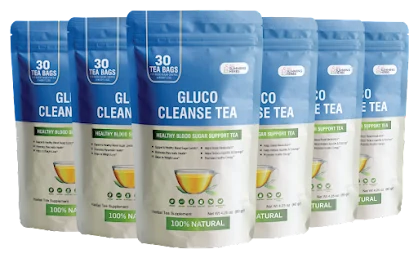
See the Gluco Cleanse Tea blend that combines multiple herbs
Use the merchant page to verify the latest package, price, shipping and guarantee terms before ordering.
Affiliate disclosure: we may earn a commission if you purchase through this link, at no extra cost to you.
How to read claims critically
- “Supports healthy blood sugar” is not the same as “treats diabetes.”
- An ingredient study does not automatically validate a commercial blend.
- A statistically significant result may still be small, inconsistent or not directly relevant to a tea-bag dose.
- Clinical care decisions should be based on your diagnosis, medicines, lab results and clinician guidance.
- NCCIH — Diabetes and Dietary Supplements — Summarizes evidence and safety issues for herbal supplements used by people with diabetes.
- FDA — Questions and Answers on Dietary Supplements — Explains that supplements are not pre-approved to treat disease and that disease-treatment claims are regulated as drug claims.
- NIDDK — Type 2 Diabetes — Evidence-based overview of type 2 diabetes and established management approaches.
- CDC — Living with Diabetes — Practical guidance on food, activity, monitoring and prescribed medicines.