 Balanced Brew Guide
Potential issues to discuss with a health professional
- Low blood sugar risk: if a botanical ingredient affects glucose and is combined with glucose-lowering medication, the combination may increase the risk of hypoglycemia for some people.
- Caffeine: green tea and oolong tea naturally contain caffeine unless specifically decaffeinated.
- Liver considerations: NCCIH notes that cassia cinnamon contains coumarin, which may be a concern for some people with liver disease when consumed in high amounts.
- Digestive effects or allergy: multi-herb products can produce individual reactions even when ingredients are commonly used as foods or teas.
- Pregnancy, nursing or multiple medications: the larger the number of ingredients, the more important a personalized interaction check becomes.
What we cannot responsibly claim
We cannot provide a precise percentage of users who experience dizziness, headaches, digestive symptoms or any other effect because we did not find robust product-specific clinical safety data. Pages that present exact adverse-event percentages without a traceable clinical source should be treated cautiously.
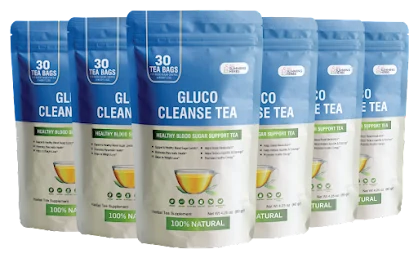
Review the merchant's current label and offer details
Use the merchant page to verify the latest package, price, shipping and guarantee terms before ordering.
Affiliate disclosure: we may earn a commission if you purchase through this link, at no extra cost to you.
When to get medical help
If you have diabetes and experience symptoms of low blood sugar, unusually high glucose, severe allergic symptoms or other concerning changes, follow your existing care plan and contact an appropriate health professional. Diabetes can have serious complications and requires evidence-based monitoring and care.
Practical pre-purchase checklist
- Show the full ingredient list to your pharmacist or clinician.
- Confirm whether the product contains caffeine and how much.
- Ask whether any ingredient conflicts with your medicines or health conditions.
- Keep monitoring according to your clinician's instructions.
- Do not infer that “natural” means risk-free.
- NCCIH — Diabetes and Dietary Supplements — Summarizes evidence and safety issues for herbal supplements used by people with diabetes.
- FDA — Illegally Sold Diabetes Treatments — Warns consumers about unproven products promoted to treat diabetes.
- FDA — Questions and Answers on Dietary Supplements — Explains that supplements are not pre-approved to treat disease and that disease-treatment claims are regulated as drug claims.
- NIDDK — Type 2 Diabetes — Evidence-based overview of type 2 diabetes and established management approaches.