 Balanced Brew Guide
What research suggests
A 2024 systematic review and dose-response meta-analysis of randomized trials reported improvements in several glycemic markers with cinnamon supplementation. Other reviews have also reported changes in fasting glucose, while noting substantial heterogeneity between studies. That means the size and reliability of any effect are not uniform across populations, preparations and doses.
What that does not prove
It does not prove that cinnamon tea, culinary cinnamon, every cinnamon capsule or a multi-herb tea containing cinnamon will produce the same outcome. A commercial blend may contain a different species, dose, extraction method and exposure time from the studies.
Safety context
NCCIH notes that cassia cinnamon contains coumarin and that large amounts may be a concern for some people with liver disease. It also notes that combining herbal supplements with conventional diabetes drugs can cause unwanted effects.
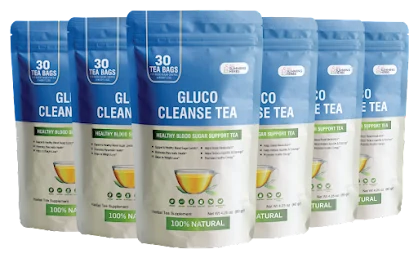
See cinnamon in the full Gluco Cleanse Tea formula
Use the merchant page to verify the latest package, price, shipping and guarantee terms before ordering.
Affiliate disclosure: we may earn a commission if you purchase through this link, at no extra cost to you.
Practical takeaway
If you enjoy cinnamon as food or tea, treat it as part of your diet—not as a substitute for prescribed medication or blood-glucose monitoring. If you are considering concentrated cinnamon supplements, discuss dose and formulation with a clinician or pharmacist who knows your medication list.
- PubMed — 2024 cinnamon meta-analysis — Systematic review/meta-analysis of randomized trials on cinnamon supplementation and glycemic markers.
- NCCIH — Diabetes and Dietary Supplements — Summarizes evidence and safety issues for herbal supplements used by people with diabetes.
- NIDDK — Type 2 Diabetes — Evidence-based overview of type 2 diabetes and established management approaches.